14 Nov,2025
Optimizing Air Compressors for the Pharmaceutical Industry: Essential Insights
In the pharmaceutical industry, maintaining high standards of product quality and ensuring compliance with regulatory requirements are paramount. Air compressors play a vital role in various processes, including packaging, pneumatic conveying, and controlling environmental conditions. Here, we'll delve into the essential considerations for selecting and utilizing air compressors in this highly reg


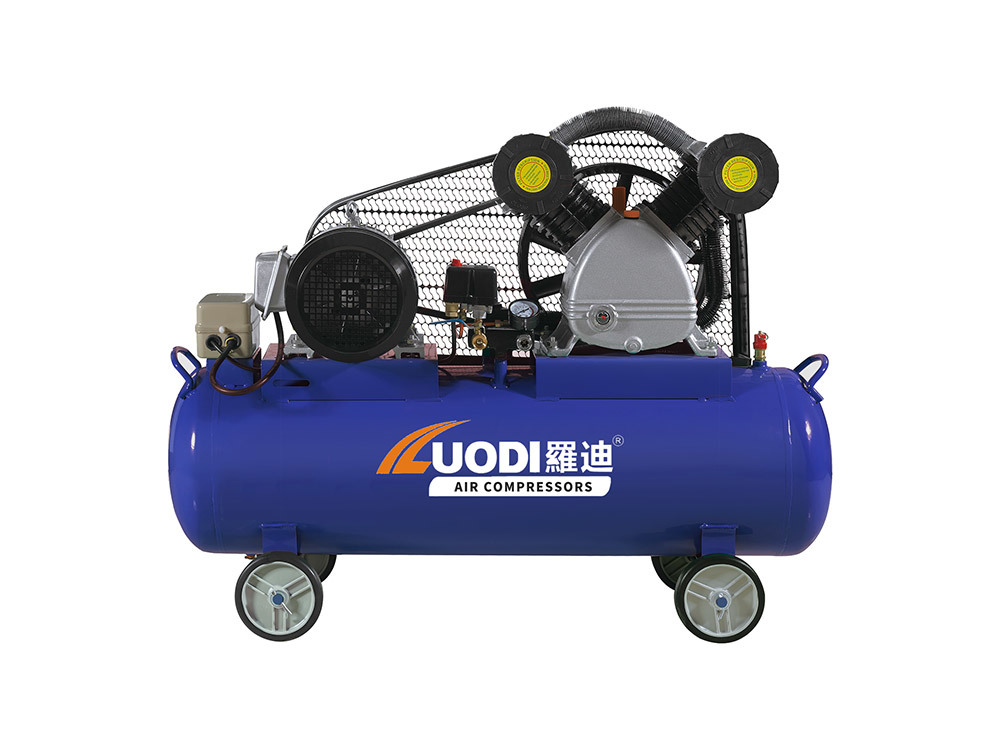
First and foremost, it’s crucial to understand the types of air compressors commonly used in pharmaceutical applications. Positive displacement compressors, such as rotary screw and reciprocating compressors, are widely favored for their efficiency and reliability. Rotary screw compressors are particularly well-suited for continuous operation, providing a steady air supply necessary for processes that require consistent pressure levels. On the other hand, reciprocating compressors offer versatility and can be effectively used for specific applications where lower flow rates are needed.
Another significant aspect to consider is the purity of compressed air. In the pharmaceutical industry, air quality can directly impact product integrity and safety. Therefore, investing in compressors equipped with filters, dryers, and separators is crucial. These components ensure that the compressed air is free from contaminants such as dust, moisture, and oil, which could compromise the quality of sensitive pharmaceutical products. Regular maintenance of these systems is also essential to guarantee optimal performance and adherence to quality standards.
In addition to air purity, energy efficiency is a key factor to consider when selecting air compressors. The pharmaceutical industry often operates under tight profit margins, and energy costs can significantly impact overall expenses. Utilizing variable speed drive (VSD) technology in air compressors can help optimize energy consumption by adjusting the motor speed to match air demand. This not only reduces energy costs but also prolongs the lifespan of the equipment, aligning with sustainability goals.
Moreover, compliance with industry regulations such as Good Manufacturing Practices (GMP) and ISO standards requires meticulous documentation and validation of air compressor systems. It’s essential to work closely with equipment suppliers to ensure that the chosen air compressors meet these regulatory requirements. Implementing a robust quality management system that includes regular audits, performance tracking, and maintenance schedules will further enhance reliability and compliance.
In conclusion, air compressors are indispensable in the pharmaceutical industry, bridging the gap between operational efficiency and regulatory compliance. By selecting the right type of compressor, ensuring air quality, enhancing energy efficiency, and adhering to industry standards, pharmaceutical companies can optimize their operations while maintaining the highest quality of their products. Investing time and resources in understanding the nuances of air compressors is essential for long-term success in this critical sector.
More news



Contact Us
-
Telephone:+86-0576-86367171
E-mail:info@zjluodi.com
Address:Qianxi Industrial Park, Daxi Town, Wenling City, Taizhou City, Zhejiang Province
©2024 Zhejiang Luodi M&E Technology Co., Ltd. SEO Tags Business License
SAF Coolest v1.3.1.2 设置面板 ZOZSX-AHUD-HZXAE-SXZ
无数据提示
Sorry, the current column is being updated, please look forward to it!
You can view other columns or returnHome Page