06 Feb,2026
Choosing the Right Rodi Piston Air Compressor for Your Needs
Choosing the Right Rodi Piston Air Compressor for Your Needs When it comes to pneumatic tools, the air compressor stands as one of the most crucial components in both automotive and industrial applications. **Rodi piston air compressors** are renowned for their reliability and efficiency. However, selecting the right model can be challenging if you’re not equipped with the right information. In th


Choosing the Right Rodi Piston Air Compressor for Your Needs
When it comes to pneumatic tools, the air compressor stands as one of the most crucial components in both automotive and industrial applications. **Rodi piston air compressors** are renowned for their reliability and efficiency. However, selecting the right model can be challenging if you’re not equipped with the right information. In this extensive guide, we will help you navigate through the complex world of air compressors, ensuring you make an informed choice that meets your specific needs.
Table of Contents
- Understanding Air Compressors
- What is a Piston Air Compressor?
- Benefits of Rodi Piston Air Compressors
- Key Features to Consider in Rodi Piston Air Compressors
- Applications of Piston Air Compressors
- How to Choose the Right Rodi Air Compressor
- Maintenance Tips for Rodi Compressors
- Frequently Asked Questions
Understanding Air Compressors
Air compressors are versatile machines that convert power into potential energy stored in compressed air. They serve various purposes, including powering pneumatic tools, inflating tires, and operating machinery. Understanding the different types of air compressors can significantly impact your selection process. The two primary types are positive displacement compressors and dynamic compressors, with piston compressors belonging to the former category.
Types of Air Compressors
1. **Positive Displacement Compressors:** These compressors force air into a chamber, reducing its volume and increasing pressure. Examples include piston compressors and rotary screw compressors.
2. **Dynamic Compressors:** These rely on high-speed rotating blades to impart velocity to the air, which is then converted into pressure. Examples include centrifugal compressors.
What is a Piston Air Compressor?
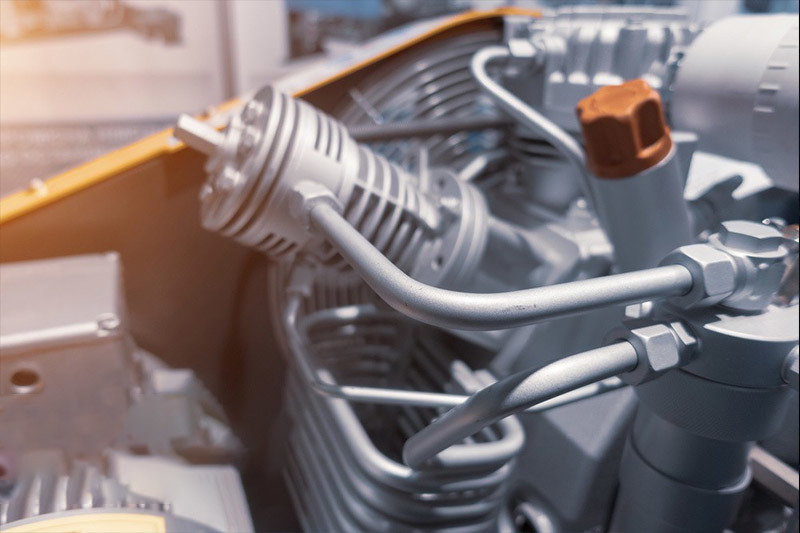
A **piston air compressor** operates using a piston driven by a crankshaft to compress air in a chamber. As the piston moves down, it draws in air, and as it moves up, it compresses the air and forces it out of the discharge valve. This type of compressor is favored for its simplicity, durability, and ability to produce high pressures, making it ideal for various applications.
How Piston Compressors Work
The process begins with the **intake stroke**, where the piston moves down to create a vacuum, allowing air to enter the cylinder. The **compression stroke** follows, wherein the piston rises, compressing the air until it reaches the desired pressure. Finally, the **discharge stroke** releases the compressed air through the outlet. This cycle repeats, providing a steady supply of compressed air.
Benefits of Rodi Piston Air Compressors
Rodi piston air compressors offer several advantages that make them a preferred choice among both professionals and hobbyists:
1. High Efficiency
Rodi compressors are designed to maximize efficiency, ensuring minimal energy waste while delivering high performance. This efficiency translates into lower electricity costs.
2. Durability
Constructed from high-quality materials, Rodi piston air compressors are built to withstand rigorous use in various environments, making them reliable over extended periods.
3. Versatility
These compressors can be used in a wide range of applications, from automotive repairs to industrial manufacturing, catering to diverse user needs.
4. Compact Design
Many Rodi models feature a compact design, which allows for easy transportation and storage without sacrificing performance.
Key Features to Consider in Rodi Piston Air Compressors
When selecting a Rodi piston air compressor, consider the following key features:
1. Horsepower (HP)
The horsepower rating indicates the compressor’s power and capability. Higher horsepower generally means the compressor can handle more demanding tasks.
2. Tank Size
The tank size affects how much compressed air is available at any given time. Larger tanks store more air, allowing for longer usage between refills.
3. Maximum Pressure
Consider the maximum pressure the compressor can deliver. Different applications may require different pressure levels, so choose accordingly.
4. Noise Level
Air compressors can be noisy, so pay attention to the decibel rating. This is particularly important if you’ll be using the compressor in a residential area or indoors.
5. Portability
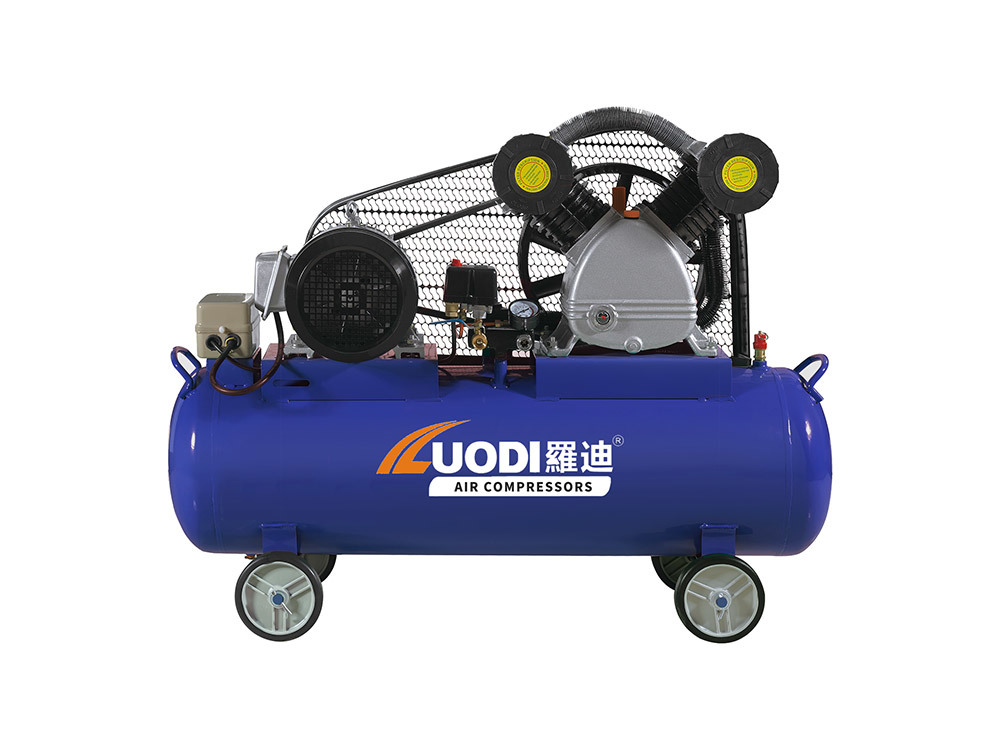
If you need to move the compressor frequently, look for lightweight models with wheels or handles for easy transport.
Applications of Piston Air Compressors
Rodi piston air compressors are suitable for a wide array of applications:
1. Automotive Repair
Mechanics use air compressors to power tools like impact wrenches and spray guns, making tasks more efficient.
2. Industrial Manufacturing
In factories, these compressors are integral to operating machinery and tools, ensuring smooth production processes.
3. Construction Sites
Piston compressors are vital on construction sites for powering pneumatic tools, such as nail guns and concrete vibrators.
4. Home Use
For DIY enthusiasts, Rodi compressors can inflate tires, run airbrushes, and power small tools, making them versatile home companions.
How to Choose the Right Rodi Air Compressor
Selecting the right Rodi air compressor requires careful consideration of your specific needs and intended usage. Follow these steps to ensure you make the best choice:
1. Assess Your Needs
Determine what you will be using the compressor for. Will it power heavy-duty tools or light-duty tasks? This will guide you in selecting the right specifications.
2. Calculate Required PSI and CFM
PSI (pounds per square inch) indicates the pressure the compressor can deliver, while CFM (cubic feet per minute) reflects the volume of air it can provide. Make sure the compressor meets the requirements of your tools.
3. Evaluate Power Source
Decide between **electric** and **gas-powered** compressors. Electric models are generally quieter and more suitable for indoor use, while gas-powered units offer more mobility and are ideal for outdoor jobs.
4. Read Reviews and Recommendations
Before making a purchase, consult reviews from other users. Their experiences can provide valuable insights into performance and reliability.
5. Consult Experts
Don’t hesitate to ask for advice from professionals in the field. They can guide you toward the best model based on their experience.
Maintenance Tips for Rodi Compressors
Proper maintenance is crucial for ensuring the longevity and efficiency of your Rodi piston air compressor. Here are some essential maintenance tips:
1. Regularly Check Oil Levels
If your compressor is oil-lubricated, ensure the oil levels are adequate. Change the oil according to the manufacturer’s recommendations to keep the internal components running smoothly.
2. Clean the Air Filter
Dirty air filters can restrict airflow and reduce efficiency. Clean or replace the air filter regularly to maintain optimal performance.
3. Inspect for Leaks
Periodically check for air leaks in hoses and fittings. Any leaks can lead to a loss of pressure and decreased efficiency.
4. Drain the Tank
Condensation can build up in the tank, leading to corrosion. Drain the tank regularly to prevent moisture buildup.
5. Follow Manufacturer Guidelines
Always adhere to the maintenance schedule and guidelines provided in the user manual for optimal performance and safety.
Frequently Asked Questions
1. What is the difference between oil-free and oil-lubricated piston compressors?
Oil-free compressors require less maintenance and are ideal for applications where oil contamination is a concern. However, oil-lubricated compressors typically provide better durability and performance.
2. Can I use a piston air compressor for painting?
Yes, piston air compressors are suitable for painting, provided they deliver the required CFM and PSI for your sprayer.
3. How long does a Rodi piston air compressor typically last?
With proper maintenance, a Rodi piston air compressor can last for many years, often exceeding a decade.
4. What is the recommended tank size for home use?
A tank size of 6 to 10 gallons is generally sufficient for most home applications, including inflating tires and powering small tools.
5. How do I know if I need a larger compressor?
If you find that your current compressor can’t keep up with your tool usage or if you frequently run out of compressed air, it may be time to consider a larger model.
Conclusion
Selecting the right **Rodi piston air compressor** hinges on understanding your specific needs and evaluating the various features and specifications available. By considering factors such as horsepower, tank size, and application types, you can make an informed decision to ensure optimal performance for your projects. Additionally, regular maintenance will prolong the life of your compressor, allowing you to benefit from its capabilities for years to come. Armed with this knowledge, you're now ready to choose the perfect Rodi piston air compressor tailored to your requirements.
More news

Contact Us
-
Telephone:+86-0576-86367171
E-mail:info@zjluodi.com
Address:Qianxi Industrial Park, Daxi Town, Wenling City, Taizhou City, Zhejiang Province
©2024 Zhejiang Luodi M&E Technology Co., Ltd. SEO Tags Business License
SAF Coolest v1.3.1.2 设置面板 ZOZSX-AHUD-HZXAE-SXZ
无数据提示
Sorry, the current column is being updated, please look forward to it!
You can view other columns or returnHome Page